

Should Your Organization See a Drop in Service Requests After an Agreement Is Signed?
Why service requests often rise right after a managed service agreement starts, what the cleanup phase fixes, and the signs that real value is showing.

When Should You Expect a Technician On Site Versus Remote Service?
Why remote support solves most issues faster, when an on-site visit is the better answer, and what to ask about how on-site visits are handled.

Does the Personality of Technicians and Engineers Matter to the Client?
Why people skills matter as much as certifications, how culture starts at the top, and why you should meet the technicians before choosing a provider.
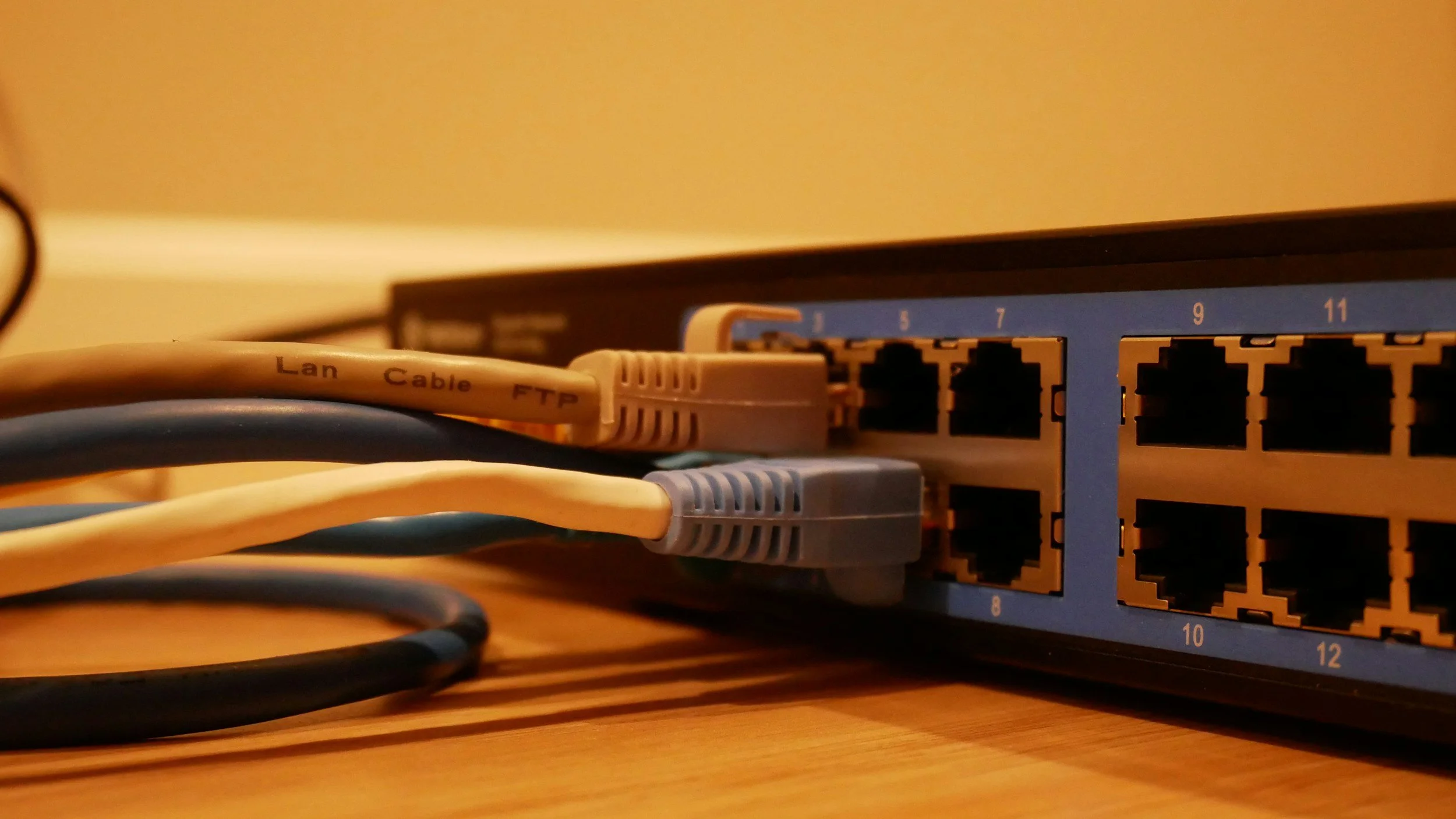
Should Your Technology Company Offer Hardware in an Emergency?
Why waiting on a replacement part can stretch an outage into days, how loaner equipment works like a spare tire, and what to ask your provider.

How Big Does My Managed Service Provider Really Need to Be?
Why a very small IT company can struggle to keep up, why endpoints per technician is a better benchmark, and what to ask a provider about capacity.

How Difficult Should It Be to Get Out of an Agreement If You're Not Satisfied?
Why sales promises and service delivery can drift apart, the conversation to have first, and what a fair exit and professional transition should look like.

What Other Non-Repair Services Should a Managed Services Company Offer?
Why the best managed service providers help you plan for tomorrow, the guidance they should offer beyond repairs, and questions to evaluate your provider.

What Type of Businesses Benefit Most From Managed Services?
Why managed IT depends more on how much you rely on technology than on your industry, and why professional service firms tend to feel it most.

Is There a Cost Savings Using Pay As You Go IT Versus Managed Services?
Why pay as you go IT often looks less expensive at first, where the hidden costs of downtime show up, and how to tell which model saves you more.

What Is the Best Length of a Managed Service Contract?
How one year, three year, and month to month IT agreements differ, why the early termination terms matter, and how to choose the right length for you.

The Benefit of Efficiency With Managed Services
How small tech issues turn into a steady drip of lost time, and how a direct line to support keeps your team focused on the work they were hired to do.

When Should You Look for a New IT Support Company?
How to tell whether your business has outgrown its IT support or the service has slipped, and the practical steps to take before making a change.

Internal or Outsourced Technology Departments: Which Is Best for You?
The real tradeoffs of an internal IT team, outsourced IT, and a co-managed approach, and a simple way to decide whether you need a person or a team.

What Is the Main Difference Between Break-Fix and Managed Services?
How break-fix and managed services differ, why it comes down to how dependent your business is on its systems, and a simple way to pressure test it.

How Much Time Do You Really Spend With Technology Issues?
Why the person who is good with computers often carries a hidden cost, and how to think about who should own technology when it really matters.

What Problems Do Managed Services Solve for You?
Why one internal IT person eventually runs out of hours, and how managed services bring a team, proven processes, and consistency to your technology.

Technical Discovery and First Time Appointment (FTA)
Why a first IT appointment should focus on learning your business, what a good discovery meeting includes, and how to tell a pitch from a conversation.

Network Documentation and Password Ownership
Who really owns your passwords and documentation, why providers keep admin credentials locked down, and what should happen if you change IT providers.

What Does the Term Onboarding Mean in Managed Services?
What happens during managed services onboarding: securing access first, documenting your environment, talking with your team, and a closing review.

Service, Budgeting and Project Reporting for C-Level Execs
Why managed IT works best when it is both proactive and visible, and what a good quarterly review covers: support, security, infrastructure, and planning.