Written By: Baily Saulsbery
When it comes to keeping your technology running, you essentially have two paths. You can wait for something to break and then call someone to fix it, or you can partner with a team that monitors, maintains, and manages your systems proactively so problems get caught before they disrupt your day. Both models exist for a reason, and understanding the real differences between them helps you make the choice that's right for your organization.
We know this topic well. Our own company started as a break-fix shop back in 2001. Frank Saulsbery built the business on showing up when people needed help, fixing what was broken, and explaining what happened in language everyone could understand. Over the years, as technology became more central to how businesses operate and threats became more sophisticated, we evolved into a full managed services provider because we saw firsthand that reacting to problems wasn't enough to keep our clients truly protected. That experience gives us a unique perspective on both sides of this conversation.
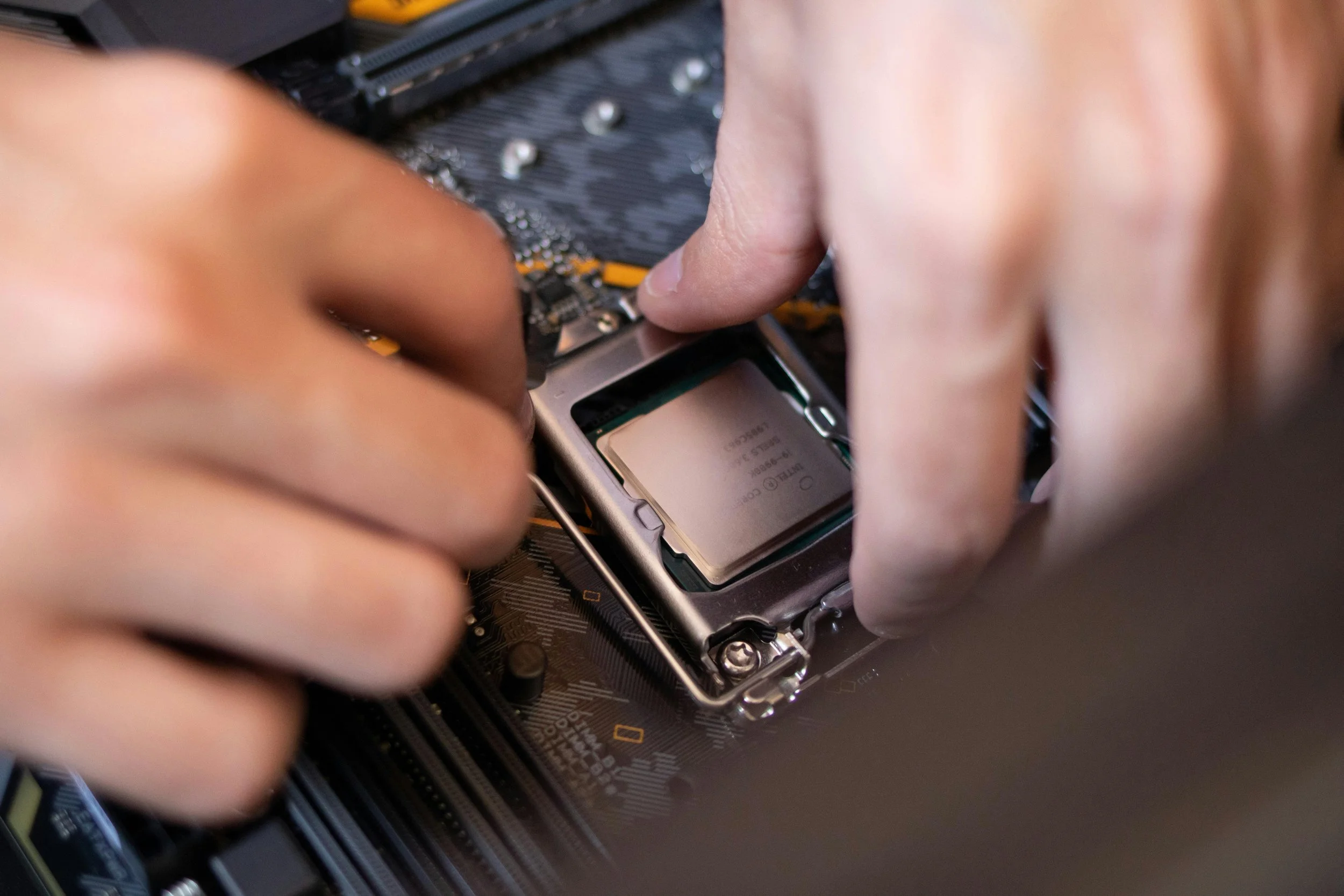
What Break-Fix IT Support Looks Like
The break-fix model is straightforward: when something in your technology breaks, you call someone to fix it. You pay for the time and materials involved in resolving that specific issue, and once it's fixed, the engagement ends until the next problem shows up.
For a long time, this was how most businesses handled their IT needs, and it made sense when technology was simpler. A computer crashed, someone came out to repair it. A printer stopped working, a technician showed up. The software needed updating, you scheduled a visit. The relationship was transactional, driven by individual incidents rather than ongoing care.
There's an appeal to this model that's worth acknowledging. You only pay when you need help. There's no monthly commitment. If nothing breaks, you spend nothing on IT support. For a very small operation with minimal technology, or an organization in its earliest stages, break-fix can seem like the more affordable option on the surface.
But there's a catch, and it's a significant one.
The Hidden Costs of Waiting for Things to Break
Break-fix support is reactive by nature, and reactive IT comes with costs that don't always show up on the invoice. When you're only addressing problems after they've already caused disruption, you're absorbing downtime, lost productivity, and potential data exposure every time something goes wrong.
Consider what happens when a server fails on a Tuesday afternoon. Under a break-fix model, you call a provider. They may or may not be available immediately. They need to diagnose the problem without necessarily having prior knowledge of your systems. Depending on the issue, parts may need to be ordered. Your team sits idle or works around the problem while you wait. You pay for emergency service rates. And once the immediate issue is resolved, nobody is looking at what caused the failure or what else might be about to go wrong.
Now multiply that by the many things that can go wrong across a modern business network: security incidents, software conflicts, hardware aging, email outages, compliance gaps, and backup failures. Each one becomes its own separate emergency with its own separate bill and its own separate period of disruption.
The unpredictability alone can be stressful. You never know when the next bill is coming or how big it will be. And you're always one bad day away from a problem that costs significantly more than ongoing preventive care would have.
What Managed IT Services Actually Deliver
Managed IT services flip the model from reactive to proactive. Instead of waiting for problems, a managed services provider monitors your systems continuously, maintains your infrastructure, handles security, manages backups, and works to prevent issues before they affect your team.
Here's what that looks like in practice with a partner who genuinely cares about your organization:
Continuous Monitoring
Continuous monitoring of your network, servers, and endpoints so problems get flagged and addressed before they cause downtime
Proactive Maintenance
Proactive maintenance, including patches, updates, and system health checks performed on a regular schedule
Comprehensive Network Security
Comprehensive network security with internal and external protections, threat detection, and rapid response capabilities
Data Backup and Disaster Recovery
Data backup and disaster recovery that's configured, tested, and ready to restore your operations when needed
Email Continuity
Email continuity ensures your communications continue running even during system issues
Compliance Support
Compliance support that keeps your organization meeting regulatory requirements without the last-minute scramble
Help Desk Access
Help desk access with knowledgeable technicians who already know your systems and can resolve issues quickly
Strategic Planning
Strategic planning that aligns your technology investments with your actual business goals and budget
The monthly investment provides predictable costs, comprehensive coverage, and the peace of mind that comes from knowing experts are watching over your technology around the clock.
Questions to Help You Choose the Right Model
Every organization is different, and the right choice depends on your specific situation. Here are five questions to work through as you evaluate your options:
1. How Much Would a Full Day of Downtime Cost Your Organization?
Think beyond just lost revenue. Consider productivity losses, missed deadlines, client impact, and reputational damage. If a day of downtime would cost you more than several months of managed services, the math speaks for itself. For nonprofits managing programs and donor relationships, or financial institutions where clients need constant access, the answer is usually clear.
2. How Sensitive Is the Data You Handle?
If your organization manages client financial records, healthcare information, donor databases, or any regulated data, you need consistent security monitoring, not just responses to incidents after they occur. Data management and protection require ongoing attention that break-fix simply can't provide.
3. Do You Have Internal IT Expertise?
If you don't have dedicated IT staff, break-fix means you're essentially without technology oversight between incidents. Nobody is monitoring for threats, checking for needed updates, or planning for the future. Managed services fill that gap with a full team of experts who become an extension of your organization.
4. How Predictable Do You Need Your IT Costs to Be?
Break-fix spending is inherently unpredictable. One month might cost nothing; the next might bring a bill that blows your budget. Managed services provide a consistent monthly investment that you can plan around, which matters when you're managing tight budgets and need to allocate resources thoughtfully.
5. Where Do You Want to Be in Three Years?
Break-fix addresses today's emergency. Managed services include strategic planning that helps you make technology investments aligned with where your organization is headed. If growth, efficiency, and long-term stability are priorities, proactive management supports those goals in ways that reactive support simply can't.
Answering these honestly usually makes the right direction pretty clear for most organizations.
The Transition Doesn't Have to Be Scary
One concern we hear frequently is that switching from break-fix to managed services will be disruptive or complicated. That's a completely valid worry, and it's one we take seriously.
The transition should feel like gaining a partner, not going through an upheaval. A good managed services provider takes the time to learn your systems thoroughly, documents everything, addresses any existing issues, and builds a relationship with your team before making any significant changes. The goal is to make your technology better without disrupting the work you're already doing.
We've walked many organizations through this transition over the years, from legal firms to manufacturers to nonprofits of all sizes. Many of our longest client relationships started exactly this way: an organization that was tired of the break-fix cycle reached out, we took the time to understand their world, and we built a partnership that's lasted years. Some of those partnerships are now going on 25 years.
It Comes Down to What Kind of Support Your Organization Deserves
At the end of the day, this isn't really a technology decision. It's a decision about how you want your organization to be cared for. Do you want a technician who shows up when something breaks and leaves when the immediate problem is solved? Or do you want a partner who knows your business, understands your goals, and works alongside you every day to keep your technology supporting your mission?
Both models serve a purpose, and we respect that. But after 25 years of doing this work, we've seen the difference that proactive, relationship-driven technology management makes for organizations that care about their clients, their data, and their people.
If you're weighing your options or thinking about making a change, we'd enjoy having that conversation with you. No pressure, no hard sell, just an honest discussion about what makes sense for where you are and where you want to go. Give us a call or stop by. We're right here in Decatur, and we're always happy to talk.
Network Solutions Unlimited is a generational managed IT services provider based in Decatur, Illinois, serving businesses and nonprofits with genuine support and decades of trusted relationships. Led by Baily Saulsbery and founded by her father Frank, we're not just your IT provider; we're your neighbors who happen to be really good at technology. Contact us today to experience IT support that actually cares.