Celebrating IT Professionals Day and The People Who Keep Businesses Running Safely
Written By: Baily Saulsbery
There is a special kind of professional whose best work is often invisible. When everything runs smoothly, when email flows, files open, printers cooperate, and systems stay secure, you rarely think about the people who made it possible. It is only when something breaks that the quiet heroes of technology step into the spotlight, calmly untangling a problem you did not even understand you had. IT Professionals Day, observed each year on the third Tuesday of September, exists to shine a light on exactly these people.
This is a moment to recognize the technicians, engineers, help desk specialists, and support teams who keep the digital gears of your organization turning. Their work blends great technical skill with patience, problem-solving, and a genuine desire to help. In this post, we want to celebrate what IT professionals actually do, why their contributions matter so much, and how you can show appreciation for the people who keep you running.
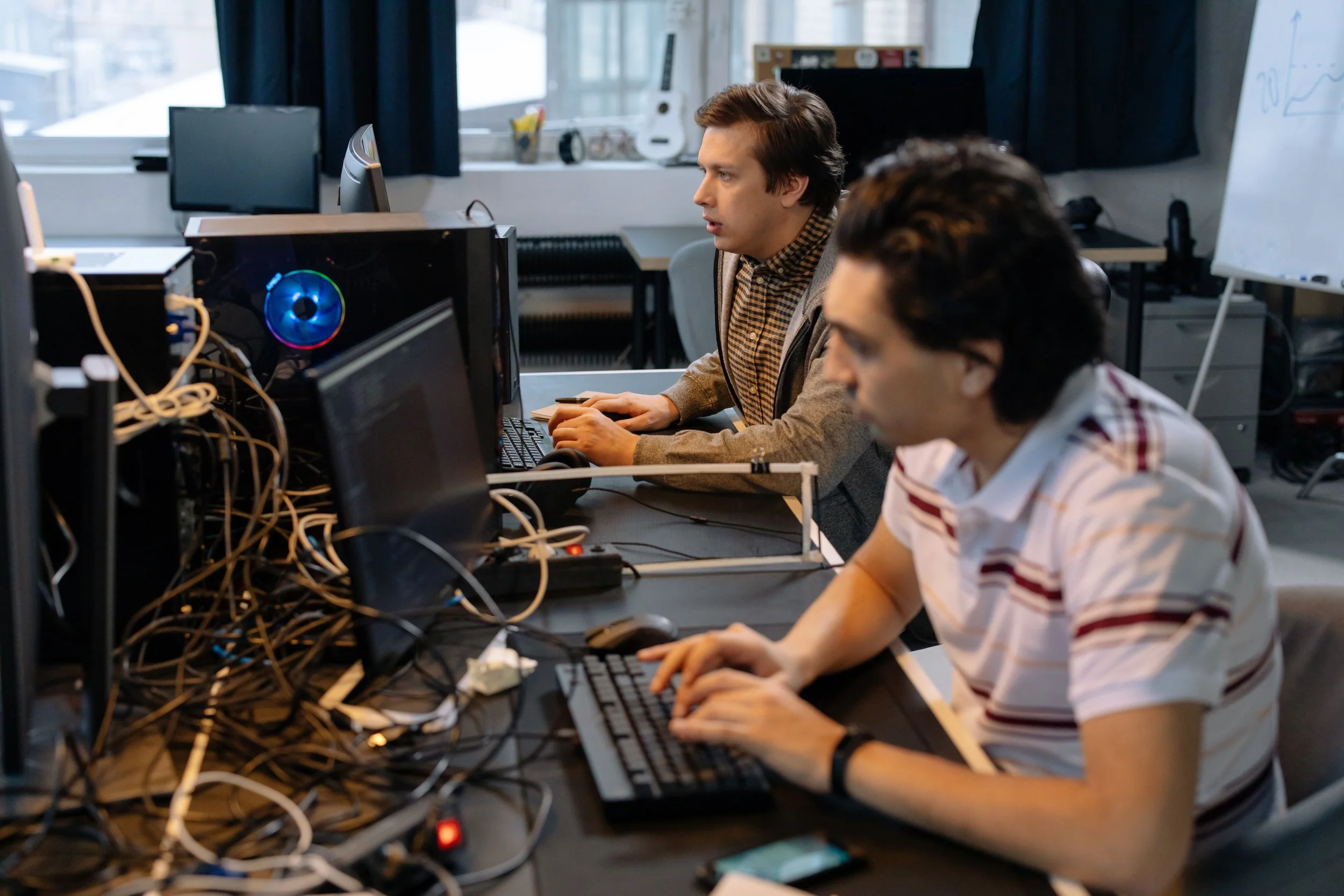
The Invisible Work Behind Smooth Operations
Most people encounter IT only at two moments: when something goes wrong, and when it gets fixed. What happens in between, and everything that prevents problems in the first place, tends to go unnoticed. That is by design. A skilled IT team measures success not by how often you see them, but by how rarely you need to.
Behind the scenes, IT professionals are constantly monitoring systems, applying security patches, testing backups, updating software, and watching for the early warning signs of failure. They are the reason your morning starts with a working computer instead of a crisis. This preventive, proactive labor is the heart of modern managed IT services, and it is precisely the kind of work that keeps disruptions from ever reaching your desk.
What IT Professionals Actually Do All Day
Ask most people to describe an IT professional's job, and they might picture someone restarting a frozen computer. The reality is far richer and more varied. These are multi-skilled problem solvers who juggle a remarkable range of responsibilities, often within the same hour.
The breadth of their work is genuinely impressive once you see it laid out. On any given day, an IT professional might handle several of the following:
Responding to support requests from frustrated users and turning stressful moments into quick resolutions with patience and clarity.
Defending against cyber threats by monitoring for suspicious activity, closing vulnerabilities, and staying ahead of attackers who never rest.
Maintaining critical infrastructure such as servers, networks, and cloud systems so that everything stays fast, stable, and available.
Managing data protection through careful backups and recovery testing, ensuring that a disaster never becomes a catastrophe.
Planning for the future by advising on upgrades, budgeting, and the technology roadmap that will serve the organization for years.
Translating tech into plain language so that non-technical colleagues can make confident, informed decisions.
The frontline of much of this work is the help desk, where technicians field a constant stream of questions and emergencies with remarkable composure. It takes a rare combination of technical depth and human warmth to do this well day after day.
Why the Human Side of IT Matters Most
It would be easy to assume that great IT is all about technical wizardry. Certainly, expertise is essential. But ask anyone who has worked with a truly exceptional IT professional, and they will talk less about the technology and more about how the person made them feel: heard, respected, and genuinely helped.
The best IT professionals lead with empathy. They understand that when your technology fails, you are not just facing a technical inconvenience; you are facing a deadline, a frustrated client, or a mounting sense of helplessness. Approaching problems with what might be called the heart of a teacher, they explain rather than condescend and reassure rather than rush. This people-first philosophy is woven into the culture of our whole team, and it is what transforms a service provider into a trusted partner. Technology is what they do, but people are why they do it.
Ways to Celebrate the IT Professionals in Your Life
IT Professionals Day is the perfect excuse to express appreciation that too often goes unspoken. Recognition costs little but means a great deal to people whose contributions are so easily overlooked. Here are meaningful ways to honor the technology heroes who keep your organization running.
1. Say Thank You, Specifically
A generic thank-you is nice, but a specific one is powerful. Instead of a vague note of appreciation, mention the time they saved your presentation from disaster or recovered a file you thought was gone forever. Specific gratitude tells someone you truly noticed their impact.
Take a moment to reflect on how your workday actually depends on their efforts. Naming a concrete example turns a routine courtesy into genuine, memorable recognition that reminds them their work matters.
2. Give Them the Tools and Time to Succeed
One of the most meaningful forms of appreciation is investing in the people and resources that let IT do its job well. Reliable tools, reasonable workloads, and support for ongoing learning show that you value not just their output but their growth and well-being.
Whether your technology is handled in-house or through a dedicated IT support partner, advocating for the resources these professionals need pays dividends. Well-supported IT teams are more effective, more resilient, and far less likely to burn out.
3. Involve Them Early in Decisions
IT professionals are often brought in at the last minute to implement decisions they had no part in making. Involving them early, when strategy is still taking shape, is both a sign of respect and a smart business move. Their insight can prevent costly mistakes before they happen.
When you treat IT as a strategic partner rather than a reactive fix-it service, you unlock their full value. This shift also signals that you see them as trusted advisors, which is one of the most affirming forms of recognition there is.
4. Celebrate Their Career Journeys
Behind every IT professional is a story of curiosity, learning, and dedication. Acknowledging their professional growth, whether through a certification earned, a challenge overcome, or years of loyal service, honors the human being behind the job title.
Fostering a culture where technology professionals can build meaningful careers benefits everyone. People who feel their growth is valued bring more energy, creativity, and commitment to the work of keeping you running.
Small gestures like these, offered sincerely, can make an IT professional's entire year.
More Than Technicians: Partners in Your Success
When we celebrate IT Professionals Day, we are really celebrating a mindset as much as a profession. The best technology professionals are not defined solely by what they know, but by how they show up: proactive, patient, and deeply invested in the success of the people they serve. They turn intimidating technology into a quiet, dependable foundation that lets everyone else focus on their own missions. That is a gift worth acknowledging.
Our own story has always been rooted in the belief that relationships matter as much as results, a value you can read more about in our company story. This September, and every day, we are proud to stand alongside the IT professionals who make modern work possible. So take a moment to thank the people who keep you running. And if your organization is looking for a technology partner who leads with genuine care and expertise, we would be honored to be part of your team.
Why Phishing Remains the Top Cyber Threat
Attackers are pragmatic. They tend to choose the path of least resistance, and for years that path has run straight through the inbox. Rather than breaking through sophisticated technical defenses, phishing exploits the most unpredictable element of any security system: human beings. A single distracted click can bypass firewalls, antivirus software, and expensive security tools in one stroke.
What makes phishing so persistent is its adaptability. As organizations strengthen their defenses, attackers refine their tactics, crafting messages that mimic trusted contacts and exploit current events, deadlines, and emotions. This is why a strong, layered approach to cybersecurity matters so much. No single tool can stop phishing on its own, because the threat targets people as much as systems.
The Many Faces of Modern Phishing
Phishing is not a single technique but a family of related attacks, each tuned to a different target or goal. Recognizing the variations helps you and your team stay alert to threats that arrive in many disguises. Understanding these categories is the first step toward spotting them in the wild.
Below are some of the most common forms these attacks take today:
Generic Phishing
Mass emails sent to thousands of recipients, impersonating popular brands and hoping a small percentage will take the bait.
Spear Phishing
Highly targeted messages tailored to a specific individual, using personal details to appear credible and trustworthy.
Business Email Compromise
Attackers impersonate executives or vendors to trick employees into transferring funds or sharing sensitive information.
Smishing and Vishing
Phishing delivered through text messages or phone calls rather than email, exploiting channels people trust more readily.
Clone Phishing
A legitimate email is copied and resent with malicious links or attachments swapped in, making the fake nearly indistinguishable from the real thing.
Each variation preys on trust and urgency, but they share common warning signs. Once your team learns to recognize those signals, the entire organization becomes dramatically harder to fool.
How to Recognize a Phishing Attempt
While phishing grows more sophisticated, most attacks still betray themselves through telltale signs. Training yourself and your team to pause and look for these clues is one of the most effective defenses available. A moment of healthy skepticism can prevent a devastating breach.
The most reliable warning signs tend to cluster around pressure and inconsistency. Phishing messages frequently create a sense of urgency, warning that your account will be closed or a payment must happen immediately, because panic makes people act before they think. They may address you generically, contain subtle misspellings in sender addresses, or include links whose true destination does not match the text you see. Attachments you were not expecting, requests for credentials or payment, and messages that seem slightly out of character for the supposed sender all deserve a second look. When something feels off, it usually is, and verifying through a separate channel is always worth the extra minute.
Building a Layered Defense Against Phishing
No single safeguard can stop phishing entirely, which is why the strongest protection comes from multiple layers working together. When one layer fails, the next stands ready to catch the threat. The following steps form a practical, defense-in-depth strategy that dramatically reduces your risk.
1. Strengthen Your Email Security
Your first line of defense is the inbox itself. Advanced filtering can catch a large share of malicious messages before they ever reach an employee, quarantining suspicious content and flagging external senders. Robust email encryption and security also ensures that even legitimate communications stay protected from interception and tampering.
Configuring these protections correctly requires expertise, since overly aggressive filters frustrate users while weak ones let threats through. A properly tuned email security layer strikes the balance, stopping the majority of attacks quietly in the background.
2. Deploy Multi-Factor Authentication
Even when attackers succeed in stealing a password, multi-factor authentication can stop them cold. By requiring a second form of verification, such as a code from a phone or an authentication app, MFA renders stolen credentials far less useful on their own.
This single measure blocks the overwhelming majority of account-takeover attempts, making it one of the highest-impact investments you can make. If you implement only one new safeguard this year, enabling MFA across your critical systems should be it.
3. Train Your Team to Be the Human Firewall
Technology can filter and block, but your employees are the ones who ultimately decide whether to click. Regular, engaging staff IT training transforms your team from a vulnerability into a formidable line of defense, teaching them to recognize and report suspicious messages.
The most effective programs include simulated phishing exercises that let employees practice in a safe environment. Over time, awareness becomes instinct, and a well-trained workforce catches threats that even sophisticated tools might miss.
4. Monitor, Detect, and Respond Quickly
Because no defense is perfect, you need the ability to detect and respond to threats that slip through. Continuous threat management watches for suspicious activity around the clock, so a compromised account or unusual behavior is caught before it spreads.
Speed is everything when an incident occurs. Having a plan and the tools to isolate affected systems, reset credentials, and contain the damage quickly can mean the difference between a minor scare and a major breach.
5. Protect Every Device
Phishing often aims to deliver malware onto a device, which is why endpoint protection is a critical layer. Modern endpoint security solutions detect and block malicious software on laptops, desktops, and mobile devices, stopping an attack even after a link is clicked.
Because employees increasingly work from many locations and devices, consistent protection everywhere is essential. Securing each endpoint ensures that a single compromised machine does not become a doorway into your entire network.
Layered together, these measures create overlapping protection that is far greater than the sum of its parts.
Staying One Step Ahead
Phishing endures because it targets the most human parts of how we work: our trust, our busyness, and our desire to be helpful. But awareness is powerful. When you understand how these attacks operate, learn to recognize their warning signs, and put layered defenses in place, you shift the odds decisively in your favor. The goal is not to make your organization impenetrable, which no one can promise, but to make it a far harder, less appealing target than the next one.
The most resilient organizations treat security as an ongoing practice rather than a one-time project, combining strong technology with well-informed people and reliable network security at the foundation. If you are ready to assess your defenses and build a phishing-resistant strategy tailored to your business, our team is here to help you turn your greatest vulnerability into your greatest strength.
Network Solutions Unlimited is a generational managed IT services provider based in Decatur, Illinois, serving businesses and nonprofits with genuine support and decades of trusted relationships. Led by Baily Saulsbery and founded by her father Frank, we're not just your IT provider; we're your neighbors who happen to be really good at technology. Contact us today to experience IT support that actually cares.